
Table of Contents
- Why Professional Chimney Inspection Matters for Your Home
- The Problem: What Happens Without Regular Chimney Maintenance
- How Our Inspection Process Protects Your Family
- Our Comprehensive Cleaning Services Explained
- Advanced Technology We Use for Accurate Inspections
- Safety-First Approach to Chimney Repairs
- Masonry and Flue Repair Solutions We Provide
- Chimney Cap Installation and Protection
- Why Regular Maintenance Saves You Money Long-Term
- Comparing DIY Versus Professional Chimney Services
- Your Complete Chimney Care Selection Guide
- Schedule Your Professional Inspection Today
- Frequently Asked Questions (FAQ)
Why Professional Chimney Inspection Matters for Your Home
A chimney isn’t just a decorative feature of your home. It’s a critical system that safely removes dangerous gases and smoke from your fireplace. When it functions properly, your fireplace becomes a reliable source of warmth and ambiance. When it deteriorates or gets blocked, it becomes a safety hazard.
We recommend annual professional chimney inspection because this single step catches problems early, before they escalate into expensive repairs. During an inspection, we examine the interior flue, exterior masonry, chimney cap, and connections to your fireplace. This comprehensive evaluation reveals creosote buildup, structural cracks, blockages, and other issues that could compromise your family’s safety.
Many homeowners don’t realize that chimney problems develop silently. You won’t smell dangerous carbon monoxide until it’s already in your home. You won’t see creosote accumulation unless you look inside the flue. A professional inspection gives you visibility into what’s really happening inside your chimney and peace of mind that your fireplace is operating safely.
Action: Schedule an inspection before winter if you use your fireplace regularly. Even if you haven’t used it in months, a professional assessment ensures it’s safe to operate.
The Problem: What Happens Without Regular Chimney Maintenance
Creosote is the primary culprit when chimneys aren’t maintained regularly. This sticky, tar-like substance builds up inside the flue every time you burn wood. In just a few fires, creosote can accumulate to dangerous levels. Left unchecked, it becomes a fire hazard because creosote is highly flammable.
Beyond creosote, neglected chimneys develop structural problems. Cracks in the flue liner allow dangerous gases like carbon monoxide to seep into your living spaces. Water infiltration causes mortar joints to deteriorate, weakening the chimney structure. Missing or damaged chimney caps allow rain, animals, and debris to enter, creating blockages and increasing moisture damage.
Without maintenance, these small issues compound into expensive problems. A homeowner who ignores a small crack might later face a $3,000+ flue liner replacement. A missing chimney cap ($200-400 to install) becomes costly when water damage spreads to interior walls and roofing.
The real risk, though, goes beyond money. Creosote fires can damage the entire chimney structure. Carbon monoxide exposure harms your family’s health silently. A blocked flue can cause smoke to back up into your home during winter fires.
Action: Have your chimney inspected at least once annually if you use your fireplace, and more frequently if you burn wood regularly.
How Our Inspection Process Protects Your Family
Our inspection process is thorough and transparent. We begin by examining the exterior of your chimney, looking for visible damage to brick, mortar, the cap, and flashing where the chimney meets your roof. Then we move inside to inspect the hearth, firebox, and damper.
The critical part happens when we examine the interior flue using advanced camera technology. This lets us see creosote buildup, blockages, cracks in the flue liner, and structural damage without guessing. We document what we find and explain our findings in clear language so you understand exactly what’s happening in your chimney.
We also check whether your chimney meets proper clearance requirements from combustible materials like wood framing. We verify that your flue is the right size for your fireplace and that proper draft is occurring. All of this matters because a chimney that looks fine on the outside might have serious problems hidden inside.
After the inspection, we provide a detailed report with recommendations and estimates for any needed work. This gives you all the information you need to make decisions about repairs, knowing you have accurate professional assessment behind your choices.
Action: Ask your inspector to walk you through the camera footage so you can see what they’re seeing. Understanding your chimney’s condition helps you prioritize maintenance.
Our Comprehensive Cleaning Services Explained
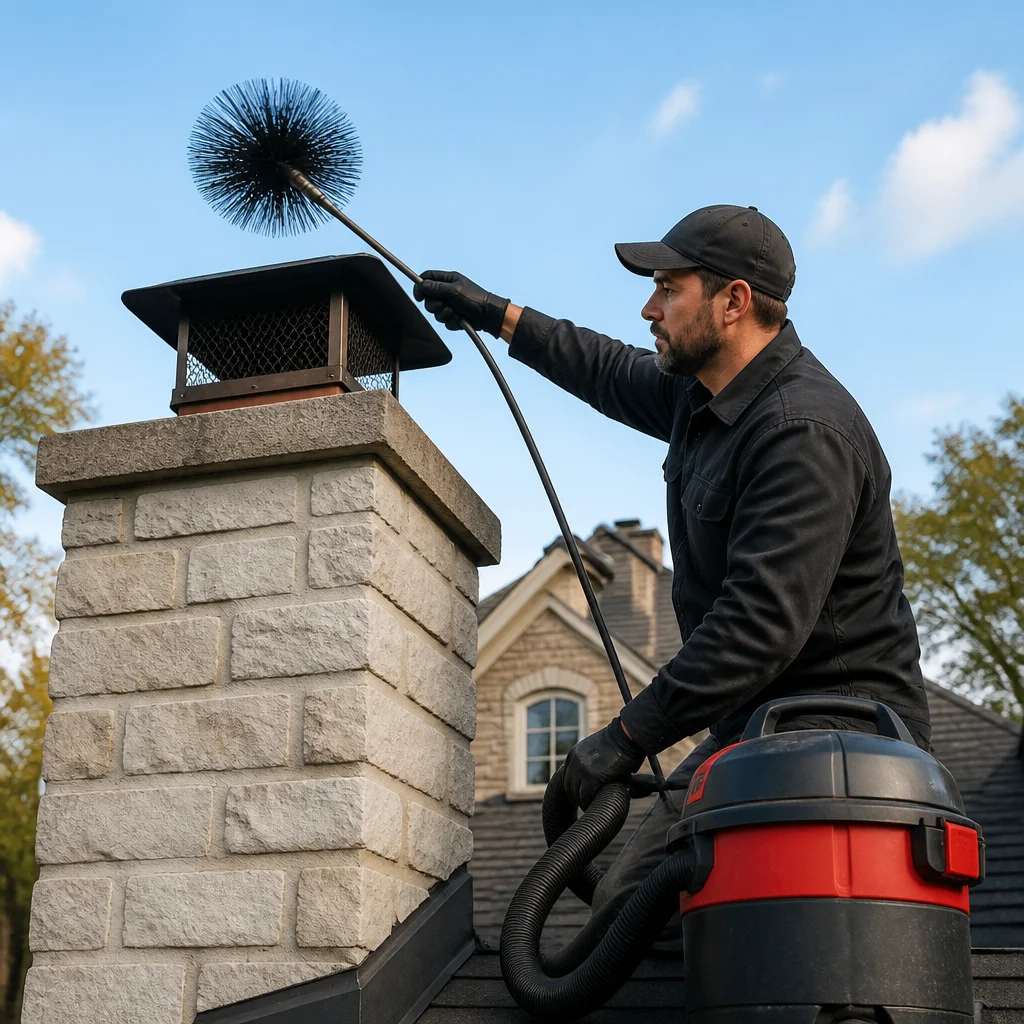
Professional chimney cleaning services involve more than brushing out loose debris. We use high-powered dust control vacuums and specialized brushes to remove creosote buildup completely from the flue. The vacuum system captures dust and particles so your home stays clean during the process.
We clean the entire flue from top to bottom, targeting creosote at every level. This prevents the dangerous accumulation that leads to chimney fires. We also clean the chimney cap, spark arrestor, and transition to the fireplace box. If your damper needs cleaning or adjustment, we handle that too.
The process takes 1-3 hours depending on your chimney’s condition and how much creosote has accumulated. For homeowners who burn wood regularly (more than once weekly during winter), annual cleaning is essential. Even casual fireplace users benefit from cleaning every 2-3 years to prevent creosote buildup.
Regular cleaning also improves fireplace efficiency. When your flue is clean and clear, draft improves and your fireplace produces more heat while using less wood. Over a heating season, this efficiency gains add up.
Action: Schedule cleaning in late fall before the heating season, or spring after you’ve finished using your fireplace for the year.
Advanced Technology We Use for Accurate Inspections
We invest in professional-grade inspection cameras that provide high-resolution video of your chimney’s interior. This technology lets us identify problems that would be impossible to see with a simple light and mirror. We can spot hairline cracks in the flue liner, pinpoint creosote thickness, locate blockages, and verify that mortar joints are intact.
The camera footage becomes part of your inspection report. You can see exactly what we found rather than relying on our description alone. This transparency builds confidence in our recommendations and helps you understand why certain repairs are necessary.
We also use moisture meters to check for water infiltration, smoke tests to verify proper draft, and visual assessment of masonry condition. The combination of these tools gives us a complete picture of your chimney’s structural and functional status.
This technology also matters when we perform repairs. When we clean your chimney, the camera helps us verify that all creosote has been removed before we finish. When we recommend repairs, we back those recommendations with documented evidence rather than guesswork.
Action: Request before-and-after camera footage when we service your chimney so you can see the improvement.
Safety-First Approach to Chimney Repairs
Safety drives every repair decision we make. When we identify problems during inspection, we prioritize fixing issues that pose immediate hazards to your family. A cracked flue liner that allows carbon monoxide to leak into your home gets addressed before cosmetic damage to the exterior.
Our repair process starts with proper safety preparation. We inspect the work area, ensure adequate ventilation, and use safety equipment for everyone involved. For masonry work, we use chimney-specific materials rated for high heat. For flue repairs, we follow manufacturer specifications for liners and sealants.
We never recommend shortcuts that compromise safety for cost savings. If a flue liner needs replacement, we do it properly rather than suggesting a temporary patch. If a chimney needs repointing to prevent water infiltration, we complete the work to industry standards. This approach costs more upfront but protects your family and prevents expensive emergency repairs.
Every repair includes a warranty so you have recourse if something doesn’t work as expected. We stand behind our work because we perform it correctly the first time.
Action: Get repair estimates in writing so you understand exactly what work will be done and what it costs.
Masonry and Flue Repair Solutions We Provide
Chimney masonry problems range from minor to serious. Crumbling mortar joints are cosmetic initially but lead to structural problems if left unaddressed. We repoint damaged mortar, replacing old deteriorated mortar with fresh material matched to your chimney’s original color and composition.
Cracked or damaged bricks reduce your chimney’s ability to insulate heat and resist weather. We replace damaged bricks to restore structural integrity and prevent water infiltration. For chimneys on the exterior of your home, this work is especially important because weather exposure accelerates damage.
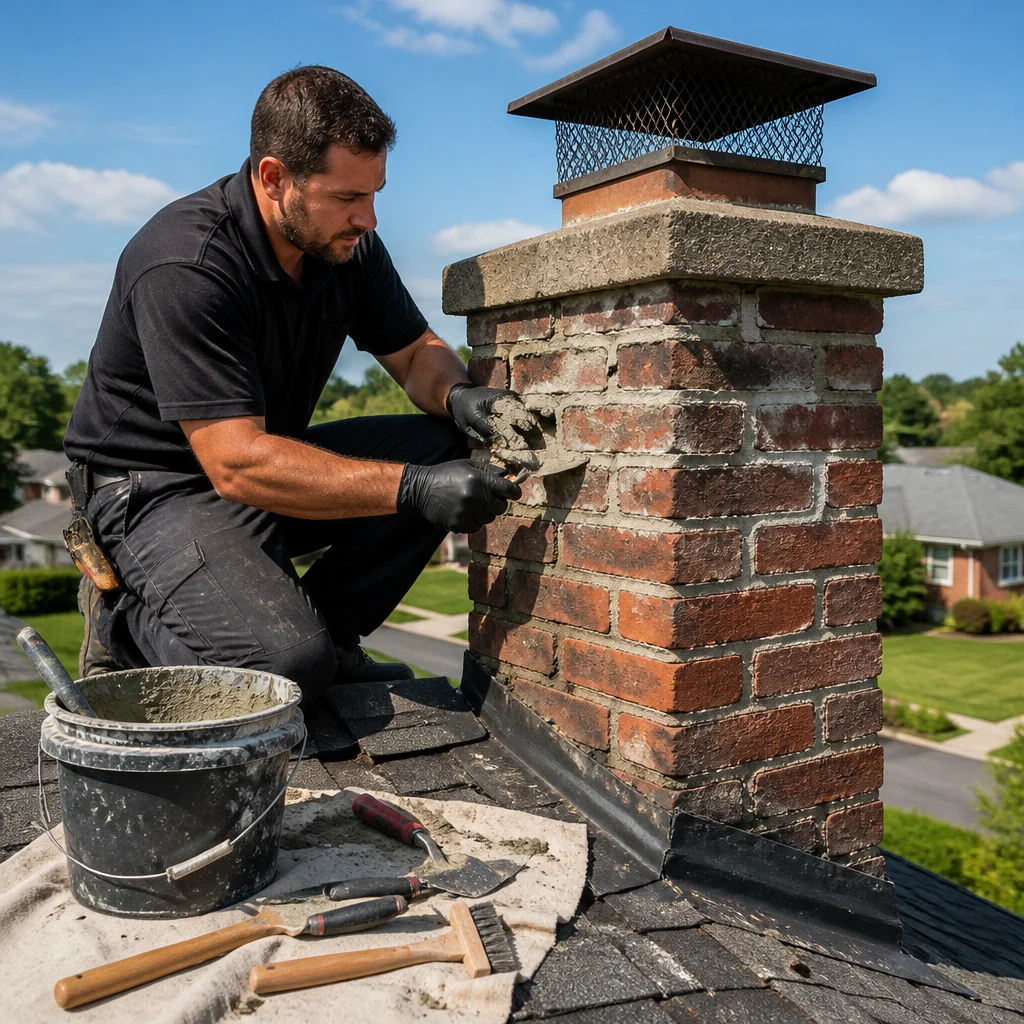
Flue problems often require flue liner installation or replacement. If your chimney has a damaged or missing flue liner, we install a new one rated for your fireplace type and size. Chimney flue liners might be clay tile, metal, or ceramic material. We assess what your situation requires and install the appropriate solution.
Chimney flashing where the chimney meets your roof is another critical area. Flashing prevents water from seeping between the chimney and roof. When flashing fails, water damage spreads inside your home. We repair or replace flashing as needed to keep water out.
Action: Include masonry repairs in your maintenance plan if inspection reveals crumbling mortar or cracked bricks, before winter weather causes further damage.
Chimney Cap Installation and Protection
Your chimney cap is a small component with outsized importance. It prevents rain and snow from entering the flue while allowing smoke and gases to escape. It also keeps birds, squirrels, and other animals from entering your chimney and building nests in the flue.
A missing or damaged chimney cap creates multiple problems. Water runs down the inside of your flue, causing damage to mortar joints, bricks, and the flue liner. Animals nest inside, creating blockages that trap smoke and carbon monoxide. Leaves and debris accumulate, reducing draft and efficiency.
We install high-quality chimney caps designed for your specific chimney size and type. Our caps are built to withstand Texas weather, including intense sun, occasional ice storms, and high winds. We secure caps properly so they don’t blow off or shift during storms.
If you already have a chimney cap, we inspect it during our annual service to ensure it’s still secure and functioning properly. A damaged cap gets replaced rather than repaired.
Action: If your chimney lacks a cap, make cap installation your first priority during repair planning.
Why Regular Maintenance Saves You Money Long-Term
The cost of annual inspection and cleaning ($150-300 combined) seems modest compared to emergency repairs. But the savings multiply when you consider what you avoid by maintaining your chimney properly.
A chimney fire that damages the flue liner might cost $1,500-3,000 to repair. Regular cleaning prevents creosote buildup that causes these fires. Water damage from a missing chimney cap can exceed $5,000 when moisture seeps into walls and roofing. A $300 chimney cap prevents this damage. Chimney flue liner replacement runs $2,000-4,000. Early cracks caught during inspection cost far less to repair.
Beyond repair costs, a well-maintained chimney operates efficiently. Your fireplace produces more heat per cord of wood burned. In cold Texas winters, this efficiency means burning less wood and enjoying more warmth for your money.
Consider too the insurance implications. Some homeowners’ insurance policies require annual chimney inspections for fireplace coverage. Without documented maintenance, your insurance might deny claims related to chimney damage. Regular professional service protects your coverage.
The simple math is clear: spending a few hundred dollars annually on maintenance prevents thousands in repair costs and potential damage to your home.
Action: View annual inspection and cleaning as insurance against far more expensive problems, not as an optional expense.
Comparing DIY Versus Professional Chimney Services
Some homeowners consider DIY chimney cleaning to save money. This approach carries genuine risks that outweigh any cost savings.
Professional chimney cleaning requires specialized equipment. Our high-powered vacuum systems capture 99% of dust and particles during cleaning, keeping your home clean. Consumer-grade equipment doesn’t match this performance. Many DIY attempts result in soot settling in your home and HVAC system.
Safety is the bigger concern. Chimney cleaning happens on your roof 20-40 feet above ground. Falls from height cause serious injuries. Professional chimney sweeps have fall protection equipment, training, and insurance. A homeowner climbing a ladder to access their chimney roof risks life-altering injury or death.
Inspection requires specialized knowledge. A professional inspector can identify developing problems and explain what’s happening. You might miss critical issues that only become obvious with experience and proper equipment. The camera technology alone is expensive equipment that professionals justify across many jobs, but doesn’t make sense for a homeowner using it once.
Finally, repairs should never be DIY when they involve your flue. Improper flue repairs create carbon monoxide hazards. Masonry work done incorrectly looks poor and fails prematurely. Professional repairs come with warranties and guarantee proper work.
Action: Leave inspection and cleaning to professionals. The cost is reasonable and the expertise is irreplaceable.
Your Complete Chimney Care Selection Guide
Building a reliable chimney maintenance schedule keeps your fireplace safe and efficient. Here’s what we recommend for most Texas homeowners.
If you use your fireplace multiple times weekly during winter, schedule annual inspection and cleaning every 12 months. For casual fireplace users burning wood a few times monthly, cleaning every 24-36 months is appropriate. If you never use your fireplace, have it inspected every 3 years to ensure it remains safe if you start using it.
When inspection reveals repairs, prioritize them this way: immediate hazards like cracked flue liners come first, then water intrusion issues like missing caps and damaged flashing, then cosmetic improvements. This sequence keeps you safe while preventing expensive cascading damage.
Choose a professional service with experience serving Texas homes, training in chimney systems, and proper equipment. We’ve served the Austin area for years with inspections, cleaning, and repairs that meet industry standards and address Texas-specific weather challenges.
Action: Create a maintenance calendar for your chimney with annual inspection dates marked, just as you would for HVAC service or vehicle maintenance.
Schedule Your Professional Inspection Today
Your chimney deserves the same professional attention you give other critical home systems. Annual inspection and cleaning protect your family, prevent expensive damage, and keep your fireplace operating efficiently.
We’re ready to assess your chimney’s condition and provide honest recommendations for any needed work. Our inspection process uses advanced technology, transparent reporting, and experienced technicians who understand what you need to keep your home safe.
Contact us today to schedule your chimney inspection and cleaning. We’ll show you exactly what’s happening inside your chimney, explain our findings clearly, and recommend a service plan that fits your needs and budget. Your family’s safety and your fireplace’s performance are worth the investment.
Frequently Asked Questions (FAQ)
How often should we have our chimney inspected and cleaned?
We recommend annual chimney inspections and cleanings for most Texas homeowners who use their fireplaces regularly. If you use your fireplace heavily during winter months, we suggest scheduling service before the season starts to ensure your chimney is clear of creosote buildup and any potential hazards. For chimneys that aren’t used frequently, we can assess during your inspection whether you need cleaning that particular year.
What are the dangers of not maintaining our chimney?
Without regular maintenance, creosote accumulates inside your flue and can ignite, causing dangerous chimney fires that damage the structure and threaten your home. Blockages from debris or animal nests restrict airflow, which forces smoke back into your living space and reduces your fireplace’s efficiency. Structural cracks in the masonry allow dangerous gases like carbon monoxide to seep into your home, putting your family’s health at serious risk.
What makes professional chimney service better than doing it ourselves?
We use advanced inspection cameras and high-powered dust control vacuums that most homeowners don’t have access to, allowing us to identify hidden problems like flue damage or deteriorating mortar. Our technicians are trained to spot safety issues that aren’t visible to the naked eye and can properly assess whether repairs are needed. We also have the right equipment and expertise to handle repairs safely, whereas DIY attempts can cause injury or miss critical damage that compromises your home’s safety.
