
Table of Contents
- Why Central Texas Homeowners Can't Ignore Chimney Maintenance Timing
- Understanding Your Fireplace's Seasonal Demands in Texas Climate
- The Ideal Cleaning Window Before Winter Heating Season
- Why Fall Preparation Prevents Costly Spring Damage
- How Our Professional Inspections Catch Problems Early
- The Role of Creosote Buildup in Your Seasonal Schedule
- Multiple Cleaning Needs Throughout the Year in Texas
- Our Advanced Inspection Technology for Year-Round Safety
- What Happens When You Miss the Optimal Cleaning Window
- Preparing Your Chimney System for Safe Winter Use
- How We Customize Maintenance Plans for Your Home's Needs
- Schedule Your Professional Chimney Cleaning with Go Chimney Sweep
- Frequently Asked Questions (FAQ)
Why Central Texas Homeowners Can’t Ignore Chimney Maintenance Timing
Your chimney isn’t a “set it and forget it” home feature. The timing of when you clean and inspect it directly affects how safely and efficiently your fireplace operates throughout the year. In Central Texas, our unique climate and seasonal heating patterns create specific windows when chimney maintenance becomes critical.
We’ve worked with hundreds of homeowners across Austin and surrounding areas, and we’ve noticed a clear pattern: those who schedule chimney work at the right time avoid expensive emergency repairs, reduce fire risk, and enjoy more reliable fireplace performance. Missing the optimal maintenance window often leads to creosote accumulation, blocked flues, and damage that compounds over months.
Think of chimney maintenance like an annual vehicle inspection. You wouldn’t wait until your car breaks down on the highway to check the brakes. Similarly, your chimney needs preventive attention before the heating season begins and after it ends.
Understanding Your Fireplace’s Seasonal Demands in Texas Climate
Central Texas presents an interesting challenge for chimney owners. Unlike northern states with consistently cold winters, our climate fluctuates between mild winters and hot summers. This variation affects how much you use your fireplace and, consequently, how much creosote and debris accumulate.
During cooler months (typically November through February), most homeowners increase fireplace use. That increased burn time means more combustion byproducts entering the flue system. Spring and summer rarely involve fireplace operation, yet damage can still occur during the off-season.
What matters most is understanding that each season brings different maintenance needs:
- Fall and early winter: Peak fireplace usage, highest creosote buildup rates
- Late winter and spring: Potential water intrusion, animal nesting, structural shifts
- Summer and early fall: Inspection for damage from cooler months, preparation for heating season
Our region’s relatively moderate winters mean you might use your fireplace less frequently than homeowners further north, but that doesn’t eliminate the need for regular maintenance. Even occasional fireplace use generates creosote that requires professional removal.
The Ideal Cleaning Window Before Winter Heating Season
We recommend scheduling your professional chimney cleaning in September or early October, before the peak heating season. This timing allows us to remove any creosote, debris, or blockages before you rely on your fireplace most heavily.
Here’s why this window matters: if you wait until November or December to schedule a cleaning, you risk our schedule filling up with other homeowners facing the same deadline. More importantly, every fire you burn between now and then adds another layer of creosote to your flue. Starting the heating season with a clean chimney means safer, more efficient fires from day one.
A typical pre-season cleaning takes two to three hours. We’ll remove all creosote buildup, inspect the interior surfaces, check the chimney cap, and verify that your flue is clear. If we find any issues, you’ll have time to address them before you need the fireplace urgently.
Don’t schedule your cleaning in December or January. By then, you’ve already burned fires all season, and you’ve reduced the window for repairs if we discover problems requiring attention.
Why Fall Preparation Prevents Costly Spring Damage
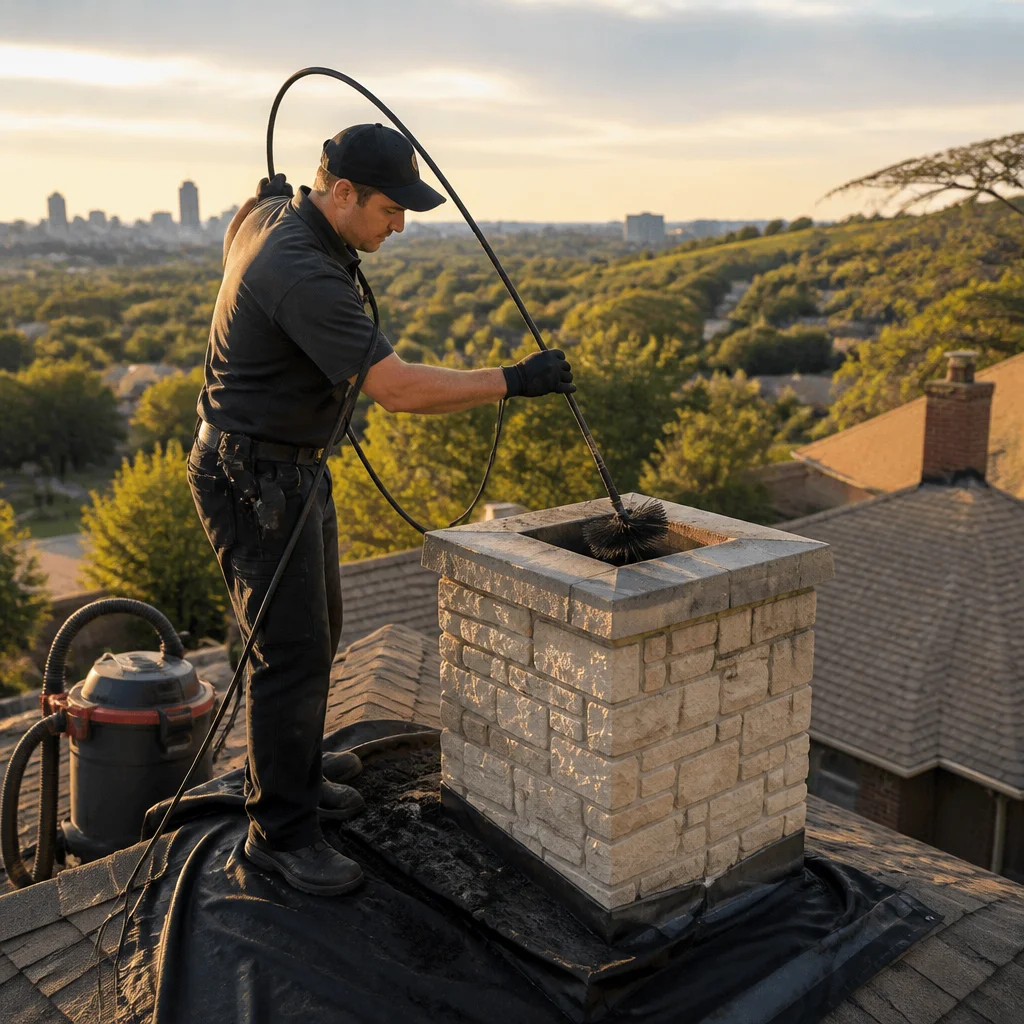
Many homeowners think the cleaning season ends when winter does. That’s a critical misunderstanding. Fall preparation actually prevents spring and summer damage that you won’t notice until next season.
During the fall cleaning, we inspect for vulnerabilities that winter weather will exploit. A cracked chimney cap, deteriorating mortar joints, or loose flashing can allow water intrusion during Texas winter rains. By addressing these issues in October, you prevent water damage that would cost significantly more to repair come spring.
We’ve seen homeowners face thousands of dollars in masonry repairs because small issues went unaddressed over winter. A chimney cap that costs $200 to install prevents water damage that might cost $2,000 to repair later.
Additionally, fall inspection catches signs of animal entry or structural movement. A small gap in your chimney crown today might become a serious entry point for wildlife by spring.
How Our Professional Inspections Catch Problems Early
A professional chimney inspection in Round Rock and surrounding Central Texas involves more than a quick look up the flue. We conduct a thorough evaluation of the entire system.
During inspection, we examine:
- Interior flue surfaces for creosote, blockages, and structural damage
- Chimney crown and cap for cracks, corrosion, or deterioration
- Exterior masonry for mortar joint failure or brick damage
- Flashing where the chimney meets the roof
- Damper operation and condition
- Signs of animal activity or nesting
Many problems are invisible without professional equipment and trained eyes. A hairline crack in the flue lining won’t affect today’s fires, but it will expand over months, potentially requiring expensive flue relining down the road. We catch these issues early when solutions are simpler and more affordable.
Early detection also gives you options. You’re not facing an emergency repair during heating season when contractors are overbooked. You can schedule flue repair, cap replacement, or masonry work on your timeline.
The Role of Creosote Buildup in Your Seasonal Schedule
Creosote is the sticky, flammable byproduct of wood combustion. It accumulates on the interior flue surfaces every time you burn a fire. Over time, creosote layers become thick and crusty, restricting airflow and creating serious fire hazard.
The rate of creosote accumulation depends on several factors: wood moisture content, fire temperature, and flue condition. Burning wet wood generates far more creosote than seasoned firewood. A poorly drafting chimney traps more smoke, leading to heavier buildup.
Here’s the practical reality: if you burn wood regularly throughout winter, creosote accumulation happens faster than most homeowners realize. A spring inspection might reveal significant buildup that would have required a second cleaning had you burned the fireplace heavily.
This is why we recommend a cleaning before the season begins. We remove all existing creosote, then monitor buildup throughout the heating season. If you burn frequently, we might recommend a mid-season cleaning as well. Some homeowners benefit from two cleanings per year, depending on usage patterns.
Multiple Cleaning Needs Throughout the Year in Texas
Not every homeowner needs the same maintenance schedule. A family that burns their fireplace three nights a week has different needs than someone who lights fires occasionally for ambiance.
We’ve found that Central Texas homeowners generally fit into these categories:
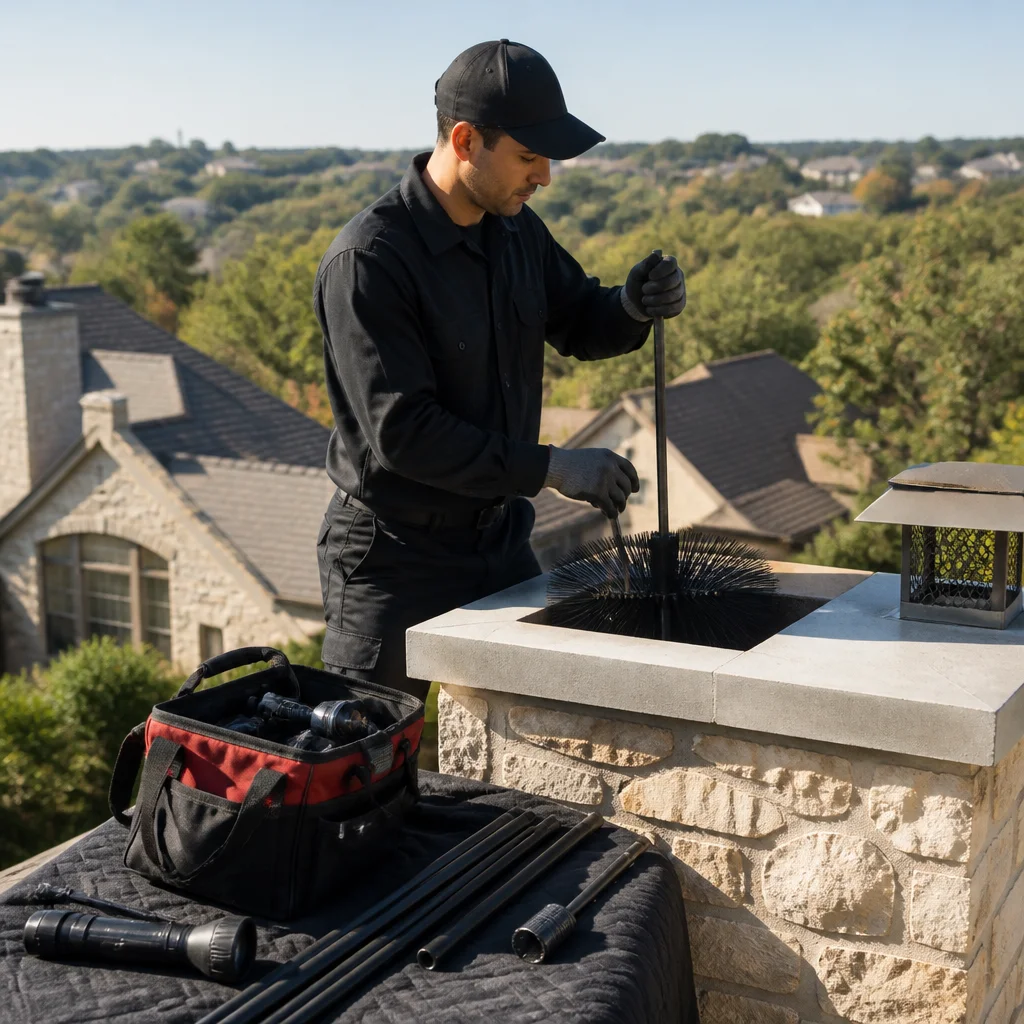
- Heavy users (weekly or more): Benefit from pre-season cleaning plus a mid-winter or post-season cleaning to prevent excessive creosote accumulation
- Moderate users (a few times monthly): One thorough fall cleaning usually suffices, with annual spring inspection to catch winter damage
- Light users (occasional fires): An annual inspection with cleaning as needed remains essential; buildup happens even at lower burn rates
Additionally, external factors trigger cleaning needs outside the regular schedule. After a major storm or high winds, we recommend checking for debris entry. If you notice reduced draft or smell smoke in the house, an inspection might reveal urgent issues.
The bottom line: seasonal cleaning isn’t one-size-fits-all. Your specific usage pattern and home condition determine the ideal maintenance schedule.
Our Advanced Inspection Technology for Year-Round Safety
We use advanced inspection cameras to examine every inch of your flue interior without guesswork. Our technicians can spot creosote buildup, cracks in the lining, animal debris, or blockages that older inspection methods would miss.
This technology is especially valuable in Central Texas, where water intrusion and animal entry are common issues. We can see exactly where problems originate and recommend targeted solutions. Instead of suggesting expensive full flue relining when only a section needs repair, we provide precise diagnostics.
Real-time camera footage also shows you the condition of your chimney. Many homeowners find this reassuring; you can see exactly what we’re working with and understand our recommendations.
Our high-powered dust control vacuum systems ensure that cleaning doesn’t leave your home covered in soot and creosote dust. We contain the debris at the source, protecting your home’s interior and your family’s health.
What Happens When You Miss the Optimal Cleaning Window
Procrastination on chimney maintenance carries real consequences. We’ve responded to emergency calls from homeowners who ignored the optimal cleaning window, and the results are rarely pleasant.
Skipping the pre-season cleaning means starting winter with a flue coated in last year’s creosote. Each fire you burn adds another layer. By January, buildup can significantly restrict airflow, forcing your fireplace to work harder and produce less heat. You also face increased fire risk; thick creosote deposits are highly flammable.
Emergency inspections often reveal problems that could have been addressed affordably weeks earlier. A damaged chimney cap discovered mid-January means water might already be inside the structure. A cracked flue lining might have caused water damage in the walls over weeks of use.
Winter weather also complicates repairs. Scheduling masonry work or flue relining in January presents challenges that autumn work avoids. Projects take longer, cost more, and might be delayed due to weather.
Missing spring inspections creates a different problem. Winter damage goes undetected and compounds through summer. By fall, when you schedule your next cleaning, the damage is far more extensive and expensive.
Preparing Your Chimney System for Safe Winter Use
Once you’ve scheduled your cleaning and inspection, we recommend a few additional preparatory steps before relying on your fireplace for heating.
First, stock seasoned firewood at least four weeks before the heating season. Wet or freshly cut wood produces excessive smoke and creosote. Properly seasoned hardwood burns hotter, cleaner, and more efficiently.
Second, ensure your damper opens and closes fully. A stuck damper traps smoke and heat in your home. We can inspect and adjust dampers as part of our service, but homeowners should also do a basic visual check.
Third, verify that your chimney cap is secure and intact. This simple component prevents water entry, animal intrusion, and debris accumulation. A damaged or missing cap causes problems far out of proportion to its cost.
Finally, clear the area around your chimney’s exterior. Remove leaves, debris, and vegetation that might block the chimney opening or trap water against the structure. Good drainage around your chimney foundation prevents water issues.
How We Customize Maintenance Plans for Your Home’s Needs
Every home has unique characteristics that affect chimney maintenance needs. The age of your chimney, flue lining type, brick composition, and your local environment all factor into the ideal maintenance schedule.
During our initial inspection, we assess these factors and recommend a personalized maintenance plan. We might suggest annual cleaning for heavy users, biennial cleaning for light users, or twice-yearly service for someone with specific conditions (like a history of animal entry).
We also note any pre-existing conditions that warrant closer monitoring. If your chimney shows early signs of deterioration, we can schedule more frequent inspections to catch problems before they progress.
Our goal is preventing expensive surprises. A small investment in regular maintenance costs far less than major repairs or emergency services. We’ll explain our recommendations clearly, including the reasoning behind each suggestion.
Schedule Your Professional Chimney Cleaning with Go Chimney Sweep
The best time to schedule your seasonal chimney cleaning is now, before fall arrives. Don’t wait until October when our schedule fills with last-minute requests.
Contact us to schedule your inspection and cleaning. We’ll evaluate your specific situation, recommend an appropriate maintenance schedule, and ensure your chimney is ready for whatever Central Texas weather brings.
Your fireplace should be a source of warmth and comfort, not worry. Let us handle the maintenance so you can enjoy your fireplace safely all season long.
Frequently Asked Questions (FAQ)
When should we schedule our chimney cleaning in Central Texas?
We recommend having your chimney cleaned and inspected before the heating season begins, ideally between August and October. This timing ensures your system is safe and efficient before you start using your fireplace regularly through winter. If you use your fireplace year-round, we suggest scheduling at least one professional cleaning annually, with additional cleanings if you burn wood frequently.
What happens if we skip our seasonal chimney cleaning?
When homeowners miss their cleaning window, creosote buildup accumulates inside your flue, significantly increasing the risk of chimney fires and reducing heating efficiency. We’ve found that delayed maintenance often leads to more expensive repairs down the road, including structural damage that requires masonry work beyond a simple sweep. Our inspections catch these issues early, but prevention through regular seasonal cleaning is always more cost-effective than emergency repairs.
How does our professional inspection technology help determine cleaning frequency?
We use advanced inspection cameras to see exactly what’s happening inside your chimney system, allowing us to identify creosote levels, structural damage, and potential hazards that your eyes can’t detect. This technology helps us give you personalized recommendations based on your specific fireplace usage and chimney condition rather than following a generic schedule. We can then create a maintenance plan tailored to your home’s needs throughout the year.
