
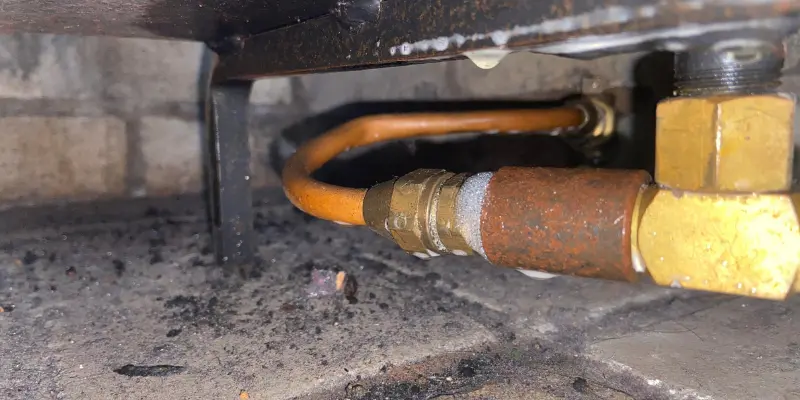
A chimney is one of the most important parts of your home, not just for venting smoke from your fireplace but also for safely directing potentially dangerous gases outside. One critical component that often gets overlooked is the gas pipe connected to your fireplace or stove. Gas pipe leakage in chimneys is a serious safety concern that can pose fire hazards, carbon monoxide poisoning, and other risks to your family. Understanding the causes, signs, and preventive measures can help you maintain a safe and efficient system.
Causes of Chimney Gas Pipe Leakage
Gas pipe leaks can occur due to several factors. Over time, wear and tear, rust, or corrosion can weaken the pipes, causing tiny cracks or holes. Poor installation, improper fittings, or accidental damage during renovations can also lead to leakage. In some cases, environmental factors such as extreme temperature changes or moisture infiltration in your chimney structure can cause joints to loosen or metal to degrade, increasing the risk of leaks.
Another common cause is a lack of regular maintenance. Without routine inspections and cleaning, gas buildup or soot accumulation can corrode pipes or hide small leaks until they become major issues. That’s why professional inspection is essential for early detection and prevention.
Signs Your Chimney Gas Pipe May Be Leaking
Recognizing a gas leak early can save lives. Here are some common signs homeowners should watch for:
- Unusual odors: A rotten egg smell is often a sign of a natural gas leak.
- Soot or discoloration: Excess soot around the pipe or fireplace can indicate improper gas flow or leakage.
- Hissing or whistling sounds: This could mean gas is escaping from a small crack or joint.
- Pilot light issues: If your fireplace pilot light won’t stay lit or flickers excessively, a gas leak could be the cause.
- Health symptoms: Headaches, dizziness, nausea, or fatigue can indicate carbon monoxide exposure from a leaking gas pipe.
If you notice any of these signs, it’s critical to act immediately. Evacuate the area, turn off the gas supply if safe, and contact a professional chimney or gas service provider.
Safety Measures and Prevention
Gas leaks are dangerous, but proper maintenance and precautions can reduce the risk. Always ensure your chimney and gas pipes are installed by licensed professionals. Schedule annual inspections and cleanings with a trusted company like Go Chimney Sweep, serving both San Antonio and Round Rock.
Install carbon monoxide detectors near your fireplace and throughout your home. These devices provide an early warning if dangerous gases are present. Additionally, avoid storing flammable materials near your chimney and ensure adequate ventilation.
If you suspect a leak, never try to repair it yourself unless you are trained. Gas leaks can be unpredictable, and even a small spark can lead to fire or explosion. Always call a professional for inspection and repair.
Repair and Replacement
Depending on the severity of the leak, repairs can involve tightening fittings, replacing worn gaskets, or patching small cracks in the pipe. In more severe cases, the entire gas line or a section of it may need replacement. Professionals use specialized tools and leak detection equipment to ensure the system is fully safe before it’s used again.
Regular maintenance not only prevents leaks but also ensures your fireplace or stove operates efficiently, reducing your energy costs and prolonging the life of your chimney system.
FAQs About Chimney Gas Pipe Leakage
Q1: How often should I have my chimney inspected for gas leaks?
A1: At least once a year, ideally before the heating season, to detect leaks, corrosion, or damage early.
Q2: Can I smell gas even if there’s no visible damage?
A2: Yes. Even tiny leaks can produce the characteristic odor of natural gas. Always take it seriously.
Q3: What should I do if I suspect a gas leak?
A3: Evacuate immediately, turn off the gas supply if safe, avoid using electrical switches, and call a professional chimney or gas service provider.
Q4: Are DIY repairs safe?
A4: No. Gas leaks are highly dangerous, and only trained professionals should handle repairs or replacements.
Q5: How much does gas pipe repair usually cost?
A5: Costs vary depending on the severity of the leak and pipe condition. A professional inspection is the first step to provide an accurate estimate.
Conclusion
Gas pipe leakage in chimneys is a serious risk that shouldn’t be ignored. Being aware of the signs, scheduling regular inspections, and working with certified professionals like Go Chimney Sweep in San Antonio and Round Rock ensures the safety of your home and family. Don’t wait for a small leak to become a dangerous problem—take action today to protect your home, improve air quality, and enjoy a safe, warm fireplace all year round.
