
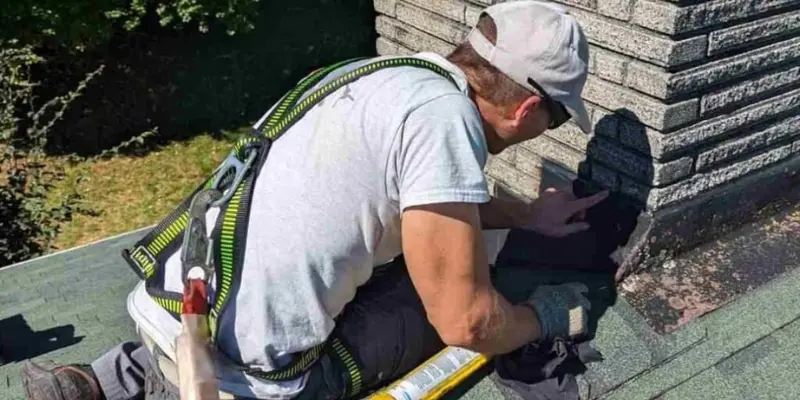
A chimney plays a critical role in keeping your home safe by directing smoke, gases, and heat away from your living space. Over time, however, chimneys can deteriorate due to weather exposure, moisture, and structural wear. When repairs are no longer enough, chimney replacement becomes the safest and most effective solution.
In this guide, we’ll walk you through everything you need to know about chimney replacement, including its pros, cons, and answers to the most common questions homeowners ask.
What is Chimney Replacement?
Chimney replacement involves removing part or all of an existing chimney structure and rebuilding it with new materials. This can include replacing damaged bricks, the chimney crown, liner, or even the entire stack depending on the severity of the damage.
Unlike minor repairs, replacement is a long-term solution designed to restore both functionality and safety.
When Do You Need Chimney Replacement?
Not every chimney issue requires a full replacement, but there are clear warning signs that indicate it’s time:
If your chimney has large cracks, leaning structure, or loose bricks, it may no longer be structurally sound. Water damage is another major issue—when moisture seeps into the chimney, it can weaken mortar joints and cause internal damage.
Older chimneys without proper liners or with outdated construction materials may also need replacement to meet modern safety standards. If you frequently experience smoke backing up into your home, that’s another red flag.
Pros of Chimney Replacement
One of the biggest advantages of chimney replacement is improved safety. A new chimney ensures proper ventilation, reducing the risk of fire hazards and carbon monoxide exposure.
Another benefit is long-term cost savings. While replacement may seem expensive upfront, it eliminates the need for constant repairs and maintenance. You get a durable structure that lasts for decades.
Chimney replacement also enhances your home’s value and appearance. A newly built chimney improves curb appeal and reassures potential buyers that the home is well-maintained.
Energy efficiency is another plus. A properly built chimney improves airflow, allowing your fireplace or heating system to work more efficiently.
Cons of Chimney Replacement
Despite its benefits, chimney replacement does come with some downsides. The most obvious one is cost. Replacing a chimney is significantly more expensive than simple repairs, especially if the entire structure needs rebuilding.
Another drawback is the time involved. Depending on the complexity, chimney replacement can take several days to complete, which may disrupt your routine.
There’s also the possibility of unexpected issues during the process. Once the chimney is opened up, hidden damage may be discovered, potentially increasing the overall cost.
Chimney Replacement Process
The process typically starts with a detailed inspection. Professionals assess the level of damage and determine whether partial or full replacement is needed.
Next comes demolition, where damaged sections are carefully removed. After that, the rebuilding phase begins using durable materials such as brick, stone, or metal liners.
Finally, the chimney is sealed and tested to ensure proper functionality and safety.
Frequently Asked Questions (FAQs)
How much does chimney replacement cost?
The cost can vary depending on the size, materials, and extent of the damage. On average, chimney replacement can range from a few thousand dollars to significantly higher for full structural rebuilds.
How long does chimney replacement take?
Most chimney replacements take between 2 to 5 days, but larger or more complex projects may take longer.
Can I use my fireplace during the replacement?
No, you should avoid using your fireplace during the replacement process. It’s important to wait until the work is fully completed and inspected.
Is chimney replacement better than repair?
If the damage is extensive or recurring, replacement is usually the better option. It provides a long-term solution and eliminates ongoing repair costs.
What materials are best for chimney replacement?
Brick and stone are popular for their durability and classic appearance. Stainless steel liners are also commonly used for improved safety and efficiency.
How can I extend the life of my new chimney?
Regular inspections, annual cleaning, and proper waterproofing can significantly extend the lifespan of your chimney.
Final Thoughts
Chimney replacement is a major investment, but it’s often necessary to maintain the safety, efficiency, and value of your home. While the upfront cost and time commitment may seem high, the long-term benefits far outweigh the drawbacks.
If you notice signs of structural damage or ongoing issues with your chimney, it’s best to consult professionals right away. A properly replaced chimney not only ensures peace of mind but also keeps your home safe for years to come.
For expert service and reliable solutions, Go Chimney Sweep is your trusted partner in chimney replacement and maintenance.
