
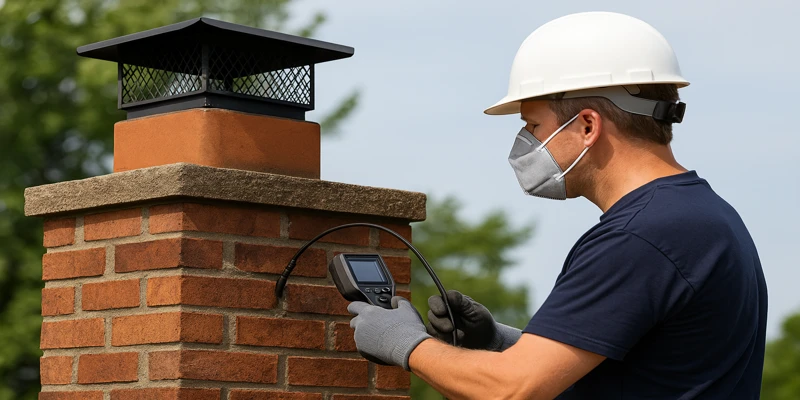
In Texas, most homeowners use their fireplaces only a few times each winter. Because of that, many people confuse chimney sweeping with a chimney inspection, assuming they’re the same thing. But they are two completely different services — and skipping one of them can leave your home at serious risk.
At Go Chimney Sweep, we regularly meet homeowners across Austin, San Antonio, Round Rock, and nearby areas who didn’t realize how important both services are until a problem appeared. This article explains the difference clearly so you can keep your home safe and your fireplace running properly.
1. What Is a Chimney Sweep?
A chimney sweep is the actual cleaning of the chimney and firebox.
✔ What a sweep includes:
-
Removing soot
-
Removing creosote buildup
-
Clearing ash and debris
-
Cleaning the smoke chamber
-
Cleaning the flue walls
-
Removing nests, leaves, or obstructions
-
Ensuring the pathway is clear for proper airflow
The main purpose of sweeping is to prevent chimney fires, reduce smoke problems, and improve airflow.
✔ Why sweeping matters in Texas:
-
Creosote dries faster in Texas heat
-
Humidity causes soot to smell stronger
-
Animals nest inside chimneys during warm seasons
-
Dust from Texas storms settles inside chimneys
A sweep keeps your fireplace clean, safe, and ready for winter.
2. What Is a Chimney Inspection?
A chimney inspection is a full evaluation of the chimney’s condition — not a cleaning.
✔ What an inspection includes:
-
Checking the structure of the flue
-
Identifying cracks or gaps
-
Examining the chimney liner
-
Looking for moisture intrusion
-
Testing the draft
-
Inspecting the firebox
-
Checking chimney caps, crowns & brickwork
-
Using cameras to inspect hidden areas (Level 2)
An inspection focuses on safety, structure, and functionality, not cleaning.
✔ Why inspections matter in Texas:
-
Heat expands brick & metal causing cracks
-
Humidity breaks down mortar
-
Strong storms cause water leaks
-
Wildlife block vents or damage liners
-
Homes settle, shifting the chimney structure
Even if the chimney looks clean, it may not be safe to use without a proper inspection.
3. The Biggest Misunderstanding: “A Sweep Includes an Inspection”
This is the #1 mistake Texas homeowners make.
A sweep does not automatically include a full inspection.
A sweep cleans the chimney.
An inspection checks the chimney’s internal condition.
Many companies do both, but they are separate services with different purposes.
4. Which One Do You Need? Sweep or Inspection?
Here’s a simple guide:
✔ You need a Chimney Sweep if:
-
You haven’t cleaned the chimney in 1–2 years
-
You smell strong smoke or soot
-
You see debris in the firebox
-
You’re preparing for winter use
✔ You need a Chimney Inspection if:
-
You just moved into a home
-
You’ve had storms or heavy rain
-
You suspect animals or blockages
-
Your fireplace smokes indoors
-
You’re selling or buying a home
-
You haven’t checked your chimney in several years
Most Texas homes need both once a year for safety.
5. How Go Chimney Sweep Helps Texas Homeowners Stay Safe
At Go Chimney Sweep, we provide:
✔ Professional Chimney Sweeping
Removes soot, creosote, debris & blockages.
✔ Level 1, Level 2 & Level 3 Chimney Inspections
Cameras, structural checks, and full system evaluations.
✔ Chimney Cap Installation
Prevents animals, rain & debris from entering.
✔ Draft & Smoke Testing
Ensures proper airflow for safe operation.
✔ Moisture & Leak Detection
Critical for Texas humidity and storm seasons.
A clean chimney is important — but a safe chimney is essential.
