
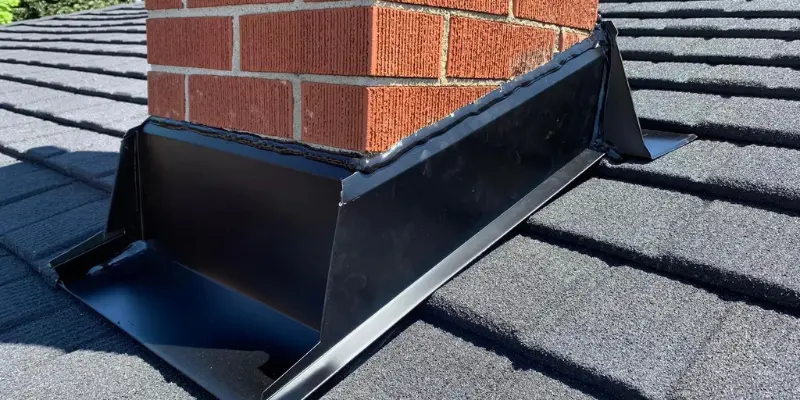
When you have a metal roof, protecting vulnerable areas like the chimney becomes even more important. One of the most critical components in preventing leaks and water damage is chimney flashing. If not properly installed or maintained, flashing can allow water to seep into your home, causing structural damage and costly repairs.
In this guide, we’ll break down everything you need to know about metal roof chimney flashing, including how it works, common problems, and frequently asked questions.
What is Chimney Flashing?
Chimney flashing is a sealing system installed where the chimney meets the roof. Its main purpose is to prevent water from entering the gap between the chimney and roofing materials.
On metal roofs, flashing requires special attention because metal expands and contracts with temperature changes. This means standard flashing techniques used on shingle roofs may not work effectively.
Why is Flashing Important on Metal Roofs?
Metal roofs are durable and long-lasting, but they can be more prone to leaks around penetrations like chimneys if flashing is not properly installed.
Flashing acts as a waterproof barrier. Without it, rainwater can easily find its way into small gaps and cracks. Over time, this can lead to mold growth, insulation damage, and even structural issues.
Proper flashing also helps direct water away from the chimney, reducing the risk of pooling and corrosion.
Types of Metal Roof Chimney Flashing
There are several types of flashing systems used for metal roofs, each designed for different situations.
Base flashing is installed at the bottom of the chimney where it meets the roof. Step flashing is layered along the sides of the chimney to guide water downward. Counter flashing is embedded into the chimney structure and overlaps the base flashing for added protection.
For metal roofs, flexible flashing materials like rubber or silicone boots are often used in combination with metal flashing to accommodate movement.
Common Problems with Chimney Flashing
Even high-quality flashing can develop problems over time. One of the most common issues is improper installation. If flashing is not sealed correctly, it can leave gaps where water can enter.
Another issue is corrosion. Metal flashing can rust over time, especially if exposed to harsh weather conditions.
Expansion and contraction of the metal roof can also loosen flashing, causing it to separate from the chimney. This is why using the right materials and installation techniques is essential.
Cracked sealant is another frequent problem. As sealants age, they can dry out and lose their effectiveness, leading to leaks.
Signs Your Chimney Flashing Needs Repair
You don’t always need to climb onto your roof to spot flashing issues. There are several warning signs you can look for inside your home.
Water stains on ceilings or walls near the chimney are a clear indicator of a leak. You may also notice damp insulation in the attic or a musty smell.
On the roof, visible rust, loose flashing, or gaps around the chimney are signs that repairs are needed.
Repair vs Replacement
In some cases, minor issues like small gaps or worn sealant can be fixed with simple repairs. Resealing or tightening the flashing may be enough to restore its effectiveness.
However, if the flashing is severely damaged, rusted, or improperly installed, replacement is the better option. A full replacement ensures long-term protection and reduces the risk of recurring leaks.
FAQs About Metal Roof Chimney Flashing
How long does chimney flashing last on a metal roof?
Flashing can last 20 years or more if properly installed and maintained. However, exposure to weather and temperature changes can affect its lifespan.
Can I install chimney flashing myself?
While minor repairs may be possible, full installation or replacement should be handled by professionals to ensure proper sealing and safety.
What is the best material for metal roof flashing?
Aluminum and galvanized steel are commonly used due to their durability. Flexible materials like silicone are also used for added protection.
Why does my chimney leak during heavy rain?
This is usually caused by damaged or improperly installed flashing that allows water to penetrate during heavy rainfall.
How often should flashing be inspected?
It’s recommended to inspect chimney flashing at least once a year, especially before and after the rainy season.
Expert Recommendation
Metal roof chimney flashing may seem like a small detail, but it plays a major role in protecting your home from leaks and long-term damage. Ensuring proper installation and regular maintenance can help you avoid costly repairs and keep your roof system functioning efficiently.
If you notice any warning signs like water stains, rust, or gaps around the chimney, it’s important to address them quickly. Professional service ensures the flashing is properly sealed and built to withstand changing weather conditions.
With expert care from Go Chimney Sweep, you can maintain a secure, leak-free chimney and extend the life of your metal roof.
