
Table of Contents
- Why Chimney Flue Obstructions Threaten Your Home's Safety
- How Creosote Buildup Damages Your Chimney System
- Signs Your Chimney Flue Needs Professional Clearing
- Our Advanced Obstruction Detection Technology
- The Go Chimney Sweep Removal Process
- Why DIY Flue Cleaning Puts Your Home at Risk
- Our Safety-First Inspection and Repair Approach
- Protecting Your Investment Through Regular Maintenance
- Frequently Asked Questions (FAQ)
Why Chimney Flue Obstructions Threaten Your Home’s Safety
A blocked chimney flue isn’t just an inconvenience. When your fireplace can’t vent properly, smoke backs up into your home, and dangerous gases like carbon monoxide accumulate inside your living spaces. This is why we take chimney flue obstruction removal seriously at Go Chimney Sweep. Whether it’s creosote buildup, debris, animal nests, or structural damage restricting airflow, we’ve helped countless Austin homeowners restore safe, efficient fireplaces.
The flue is your fireplace’s lifeline. It carries combustion byproducts, heat, and smoke safely out of your home and into the atmosphere. When the flue becomes obstructed, that dangerous exhaust has nowhere to go.
The risks are immediate and serious. Carbon monoxide, a colorless and odorless gas produced during combustion, can seep into your home when venting is blocked. Even small amounts over time cause dizziness, headaches, and worse. Beyond carbon monoxide, smoke backing into living spaces irritates lungs and can trigger respiratory problems, especially in children and elderly family members.
Fire risk also increases substantially. When creosote accumulates in an obstructed flue, it becomes highly flammable. A chimney fire can damage the flue lining, spread to surrounding framing, and ignite your roof or interior walls. We’ve responded to prevention calls that prevented fires from even starting, and that peace of mind matters to every homeowner we serve.
Obstructions also waste your energy dollars. A blocked flue forces your fireplace to work harder, reducing heating efficiency and drawing heated air out through unintended gaps, which makes your HVAC system work overtime.
How Creosote Buildup Damages Your Chimney System
Creosote is the primary culprit behind most obstructions we remove in Austin. This sticky, dark substance forms whenever wood burns incompletely. It condenses on flue walls as smoke cools, layer after layer, season after season.
The damage progresses in stages. Initially, creosote deposits appear as a thin, flaky coating. This stage one buildup isn’t immediately dangerous, but it signals that cleaning is needed soon. Many homeowners ignore this warning and continue using their fireplaces.
Stage two brings thicker, harder deposits that stick stubbornly to flue walls. At this point, creosote restricts airflow noticeably. You might notice smoke lingering in the room longer than usual or smelling strong creosote odor inside. The flue is now partially blocked, reducing your fireplace’s heating ability.
Stage three is critical: creosote becomes nearly impenetrable, glaze-like coating that hardens permanently to the flue interior. This extreme buildup can completely block the flue, making your fireplace unusable and creating serious fire hazard. We often find that when homeowners finally call us at this stage, they’re shocked at how much has accumulated in just a few years of regular use.
Beyond obstruction, creosote chemically attacks the flue lining itself. The acidic compounds eat through mortar joints, create cracks in clay tiles, and corrode metal liners. These damaged liners fail to contain heat and combustion gases, potentially allowing them to contact wood framing or leak into your home. Addressing creosote early prevents thousands of dollars in structural repairs down the road.
Signs Your Chimney Flue Needs Professional Clearing
Recognizing warning signs early lets you fix problems before they become dangerous. Here’s what to watch for:
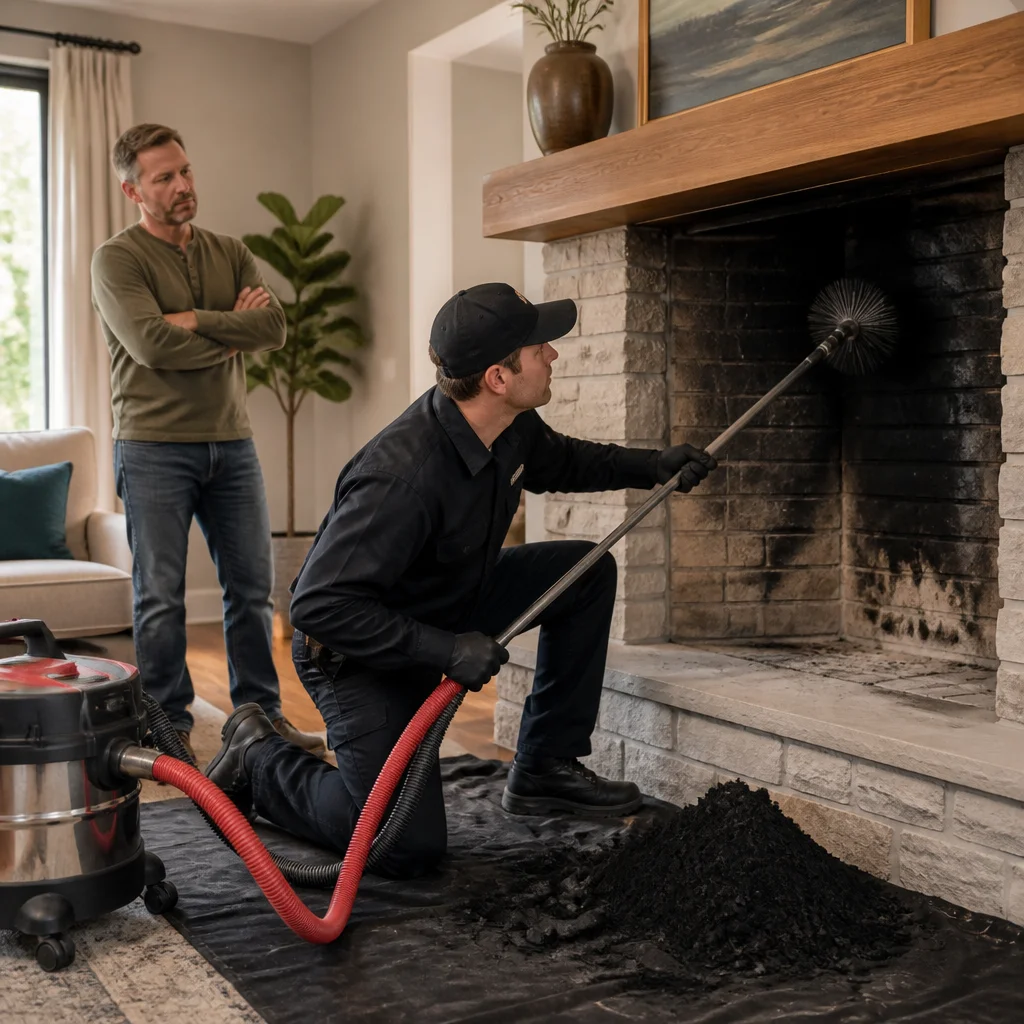
Visible smoke issues are the most obvious indicator. If smoke puffs back into the room when you light a fire, or if the fireplace takes longer than usual to draw smoke up the flue, obstruction is likely present. This should always prompt a professional inspection.
Unpleasant odors coming from your fireplace, especially strong creosote smells, mean deposits are building up inside the flue. A clean chimney shouldn’t smell like much at all.
Fireplace performance decline signals trouble. If your fire burns less efficiently, produces more ash than before, or doesn’t warm the room like it used to, flue restriction could be reducing draft and combustion quality.
Visible creosote deposits inside the firebox, where you can actually see the dark, shiny coating, indicate the flue is likely heavily lined too. What you see inside is just the tip; much more exists above where you can’t see.
Animals sounds or activity at the chimney opening suggest nests, debris, or blocked access inside. These obstructions stop airflow completely and create fire hazards, plus they compromise the structural integrity of your cap and flue.
Rust stains running down the exterior of your chimney mean moisture is trapped inside, often due to poor venting caused by blockage. This moisture accelerates deterioration of masonry and metal components.
Don’t wait for multiple warning signs. If you notice any one of these, contact us for an expert chimney inspection. Catching problems early keeps your family safe and saves money.
Our Advanced Obstruction Detection Technology
Guesswork has no place in professional chimney service. We use state-of-the-art inspection cameras to see exactly what’s obstructing your flue before we begin removal work.
Our high-definition camera system feeds live video to a monitor we carry into your home. You can watch alongside our technician as we navigate up the flue, documenting every deposit, crack, debris pile, and obstruction we find. This transparency means no surprises and no unnecessary work.
The camera also helps us determine what type of obstruction we’re dealing with. Creosote buildup requires different removal techniques than animal nests, debris, or structural damage. Misidentifying the problem leads to incomplete or ineffective cleaning. Our camera imaging ensures we target the right solution.
We photograph problem areas and provide images to you as documentation. This record proves what we found and what we removed, valuable information for your insurance company or if you ever sell your home. It also establishes a baseline so that during future inspections, we can track whether buildup is accumulating again and how quickly.
Beyond initial diagnosis, our camera technology verifies that removal was complete before we finish the job. We don’t estimate whether the flue is clear; we see it with our own eyes and show you the results.
The Go Chimney Sweep Removal Process
Our removal approach combines proven technique with modern equipment, customized to each obstruction type.
For creosote removal, we deploy high-powered rotary brushes designed specifically for chimney flues. These brushes match your flue’s shape, whether it’s rectangular, round, or irregular. As the brush rotates and moves up the flue, it dislodges deposits from the walls without damaging the flue lining itself. This is precise work that separates professionals from amateurs.
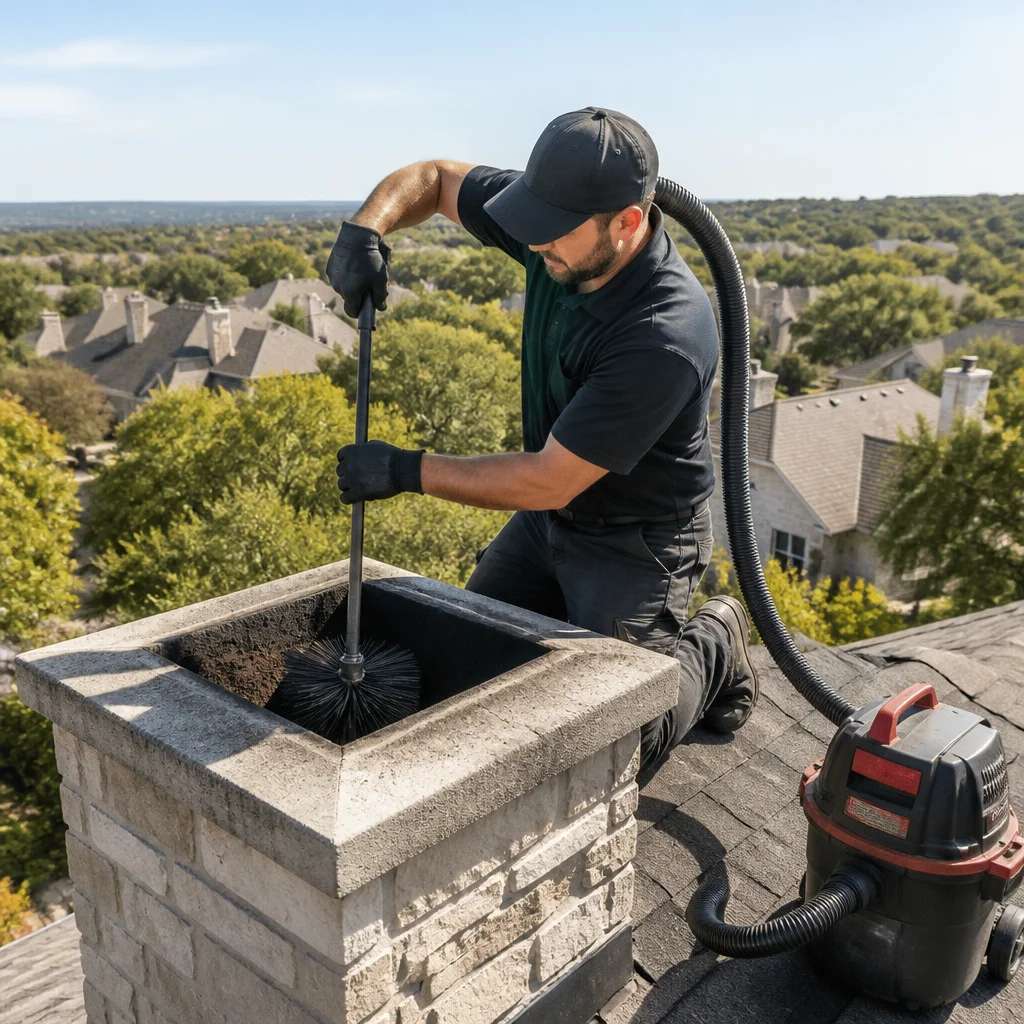
Our advanced dust control system is critical. Traditional chimney sweeping blasted creosote dust throughout homes, creating mess and spreading particles. We use high-powered, commercial-grade vacuums with HEPA filtration that capture 99.97 percent of airborne particles before they enter your living spaces. This keeps your home clean and prevents you and your family from inhaling creosote dust.
For debris obstructions like animal nests, leaves, or roof debris, we carefully remove material piece by piece, documenting what we find. We then install chimney caps or repair existing caps to prevent future intrusions.
Partial structural obstructions from cracked liners or separated bricks require a different approach. We may recommend flue relining or masonry repair to restore full function and safety. We’ll explain options and costs upfront so you can make informed decisions.
Throughout removal, we maintain protective coverings over your fireplace opening to contain mess and prevent debris from falling into your home. Every step is designed to get your chimney clean and keep your home undisturbed.
Why DIY Flue Cleaning Puts Your Home at Risk
We understand the appeal of DIY projects, and we respect the desire to save money. But chimney flue cleaning isn’t a safe DIY undertaking, and here’s why.
Inadequate equipment is the first problem. Consumer-grade chimney cleaning rods and brushes don’t effectively remove stubborn creosote. You’ll spend hours achieving mediocre results while missing buildup that remains hidden until your next fire. Professional equipment is expensive for good reason; it actually works.
Safety hazards multiply when you’re on the roof accessing the chimney yourself. Falls from height are among the most common serious home injuries. Even experienced DIYers occasionally lose footing, and broken bones or worse can result. Professional chimney technicians carry insurance and training specifically for working at height safely.
Structural damage can happen when improper brushes or rods scratch and crack flue linings. A compromised liner no longer contains combustion gases safely. Repair costs for damaged liners often exceed what professional cleaning would have cost initially.
Inadequate diagnosis means you might address the wrong problem. A chimney that’s hard to clean could have damage, incorrect sizing, or poor installation. Assuming it’s just creosote and attacking it with a brush might miss the real issue entirely.
No verification of completion happens in DIY work. You can’t see into the flue from outside or from inside your home. You’ll never know with certainty whether the flue is truly clear or just appears to be from below.
We’ve seen homeowners damage their chimneys through DIY attempts, then pay us to fix the damage plus complete proper cleaning. In nearly every case, professional service from the start would have been more cost-effective and far safer.
Our Safety-First Inspection and Repair Approach
Safety guides every decision we make at Go Chimney Sweep. Our chimney cleaning services and inspections follow the National Fire Protection Association (NFPA) standards, the industry guidelines that prioritize protection of life and property.
We begin with a detailed inspection using our camera system, documenting flue condition, blockages, damage, and safety concerns. This inspection becomes the foundation for our recommended work plan. We never recommend repairs or cleaning you don’t actually need; our job is identifying what truly protects your home.
Our technicians complete ongoing safety training. We understand carbon monoxide risks, proper venting principles, flue liner types, and how structural damage threatens safety. This expertise means we catch problems that untrained eyes would miss.
When we find damage beyond cleaning, we explain options clearly. If your flue liner has cracks, we discuss relining approaches and costs. If masonry needs repair, we show you the damage and explain why repair matters for long-term safety. You always choose your service level; we just ensure you understand the implications.
We carry liability insurance and workers’ compensation coverage, protecting both you and our team. If anything goes wrong during service, you’re protected.
Protecting Your Investment Through Regular Maintenance
Your fireplace is an investment in comfort, ambiance, and home value. Protecting that investment means establishing a regular maintenance schedule.
We recommend professional chimney cleaning at least once per year for fireplaces in regular use. If you use your fireplace heavily (multiple fires per week), twice-yearly cleaning prevents excessive creosote accumulation. For occasional use, annual cleaning still applies because creosote can build surprisingly fast depending on wood type and burning practices.
Beyond cleaning, annual inspections catch developing problems early. Small cracks in flue linings, loose bricks, deteriorating mortar, and damaged caps are all easier and less expensive to address before they worsen.
Chimney cap maintenance prevents many obstruction problems altogether. A good cap keeps animals, debris, and weather out while allowing smoke and gases to escape freely. Damaged or missing caps are common sources of obstructions we remove.
Your burning habits matter too. Burning only seasoned hardwood (dried at least 6 months) produces less creosote than burning softwood or wet wood. Keeping your fireplace damper fully open ensures proper draft. Avoiding artificial logs and treated wood prevents chemical buildup that damages flue linings.
Schedule your annual service during late summer or early fall, before the heating season begins. This timing ensures your fireplace is ready when you need it and prevents obstructions from forming during heavy use.
We’re here to help Austin homeowners maintain safe, efficient fireplaces. Contact us to schedule your professional chimney flue obstruction removal and inspection today. We’ll show you exactly what we find and explain what your chimney needs to operate safely for years to come.
Frequently Asked Questions (FAQ)
What causes chimney flue obstructions and how dangerous are they?
Flue obstructions typically develop from creosote buildup, debris, or structural damage inside your chimney system. We want you to know that a blocked flue is a serious safety hazard because it prevents dangerous gases like carbon monoxide from venting properly out of your home, which can put your family at risk. That’s why we recommend having your chimney inspected annually and professionally cleaned to keep your flue clear and functioning safely.
How do we detect and remove obstructions in your chimney?
We use advanced inspection camera technology to identify exactly where the blockage is located and what’s causing it before we begin any removal work. Once we’ve pinpointed the obstruction, we use high-powered dust control vacuums and specialized tools to safely clear your flue while containing debris and protecting your home. Our process is thorough and efficient, getting your chimney back to safe operating condition quickly.
Why shouldn’t I try to clean my chimney flue myself?
Flue cleaning requires specialized equipment and training to do safely and effectively, and attempting it yourself can actually cause damage to your chimney structure or create safety hazards. We’re equipped with professional-grade tools and years of experience to handle everything from stubborn creosote removal to identifying underlying damage that needs repair. We’d much rather have you call us than risk injuring yourself or worsening the problem.
