
What Happens If You Never Clean Your Chimney?
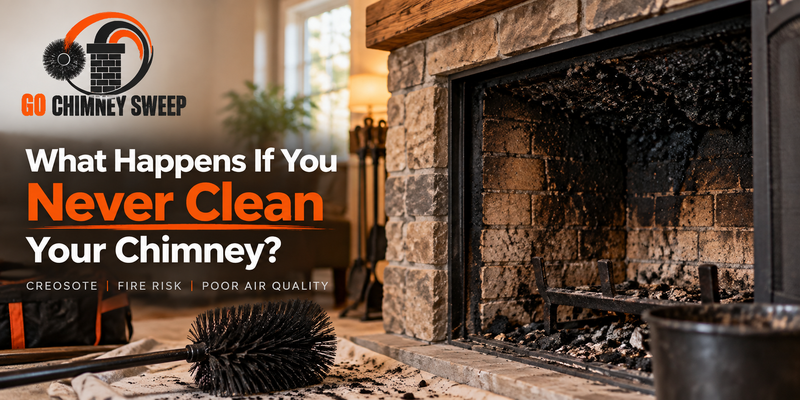
A chimney may look like a simple passageway for smoke, but it plays an important role in helping your fireplace or heating appliance vent combustion gases safely out of your home. Over time, soot, creosote, ash, debris, and even animal nesting materials can collect inside the chimney. If the chimney is never cleaned, that buildup […]
Why Fall Is the Best Time to Inspect Your Chimney Before Heavy Winter Use
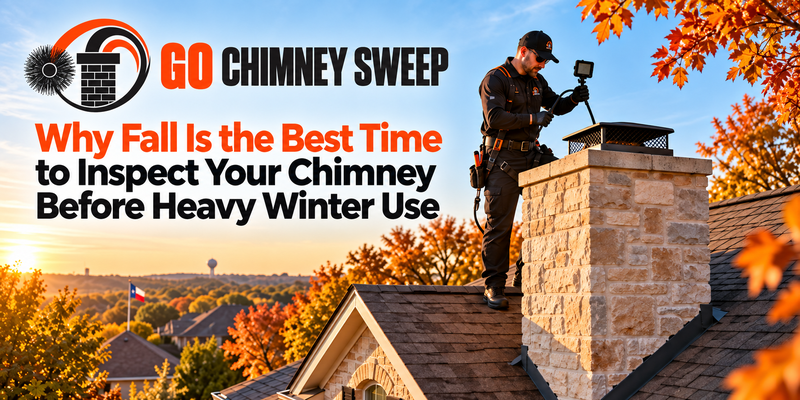
As temperatures begin to cool across Texas, many homeowners start preparing their fireplaces for the colder months ahead. Even though Texas winters can vary from mild to surprisingly cold, fireplaces and chimneys often see their heaviest use between late fall and winter. Before lighting the first fire of the season, fall is an ideal time […]
What Causes Chimney Leaks After Heavy Rain in Austin?
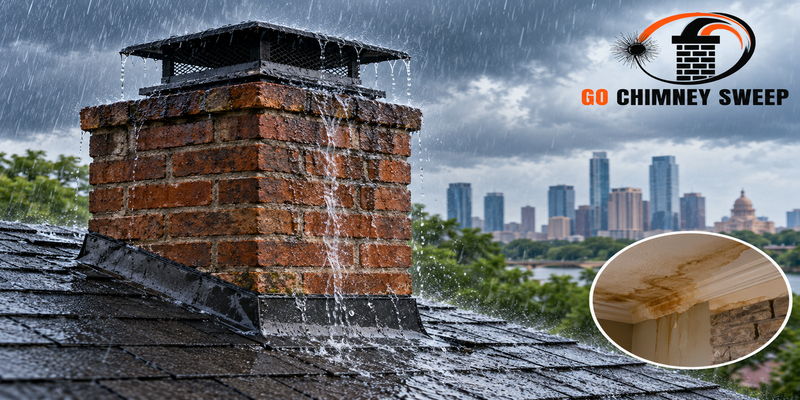
Heavy rain can reveal chimney problems that may remain unnoticed during dry weather. For homeowners in Austin, chimney leaks can appear as water stains near the fireplace, damp walls, musty odors, dripping sounds, or visible moisture inside the firebox. A chimney is designed to withstand normal weather exposure, but it contains several components that must […]
Top Causes of Chimney Blockages and How to Prevent Them

A properly functioning chimney is essential for the safe operation of your fireplace, wood stove, or heating appliance. When a chimney becomes blocked, smoke, harmful gases, and excess heat may not vent correctly, increasing the risk of poor indoor air quality and chimney fires. Understanding what causes chimney blockages and how to prevent them can […]
Why Every Fireplace Needs Proper Airflow?
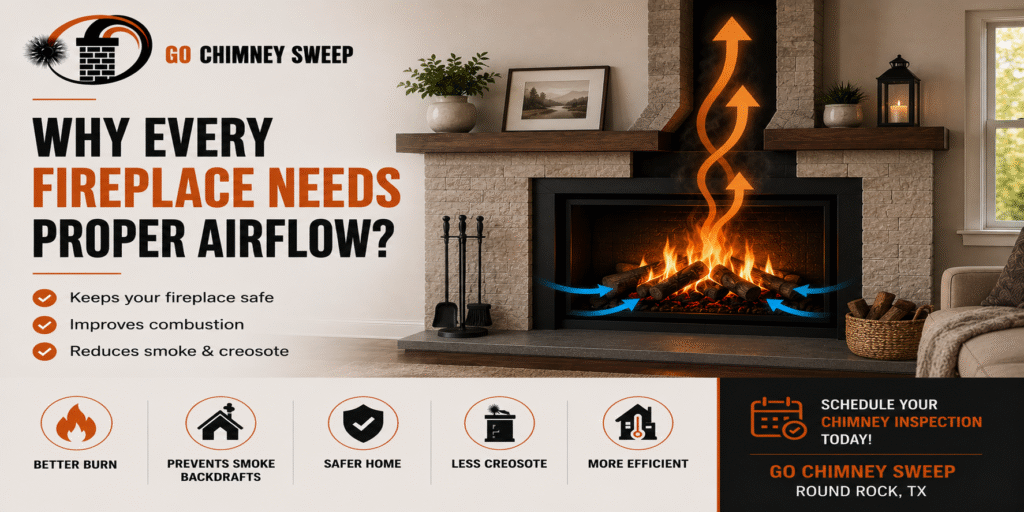
A fireplace adds warmth, comfort, and character to a home, but its performance depends on more than just the fire itself. One of the most important factors in keeping a fireplace safe and efficient is proper airflow. Whether you have a traditional wood-burning fireplace or a modern gas fireplace, adequate airflow allows smoke, combustion gases, […]
How to Identify a Loose Chimney Cap Before It Becomes Dangerous
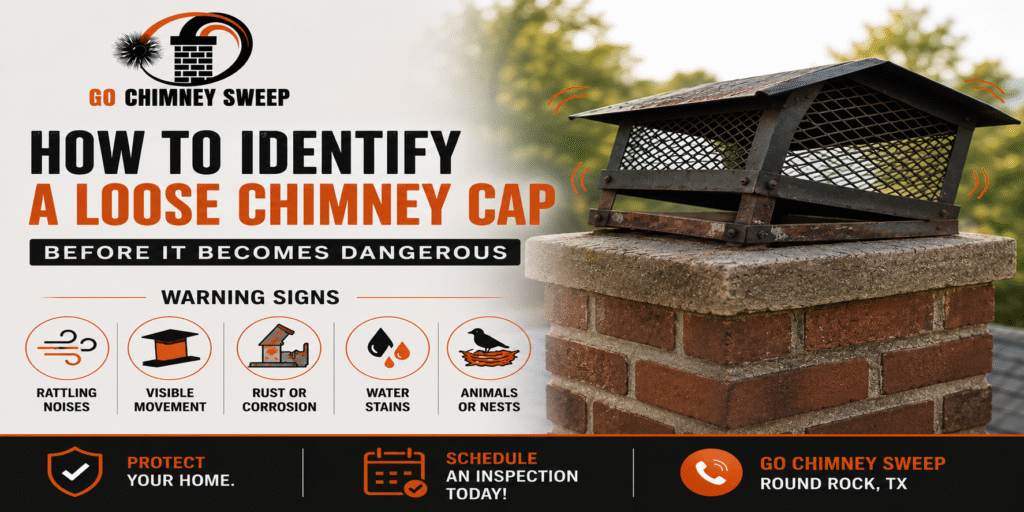
A chimney cap is one of the smallest components of a chimney system, yet it plays one of the biggest roles in protecting your home. Installed at the top of the chimney, it helps keep rain, debris, animals, and sparks under control while allowing smoke and gases to vent properly. Over time, exposure to strong […]
How Modern Gas Fireplaces Still Require Chimney Maintenance
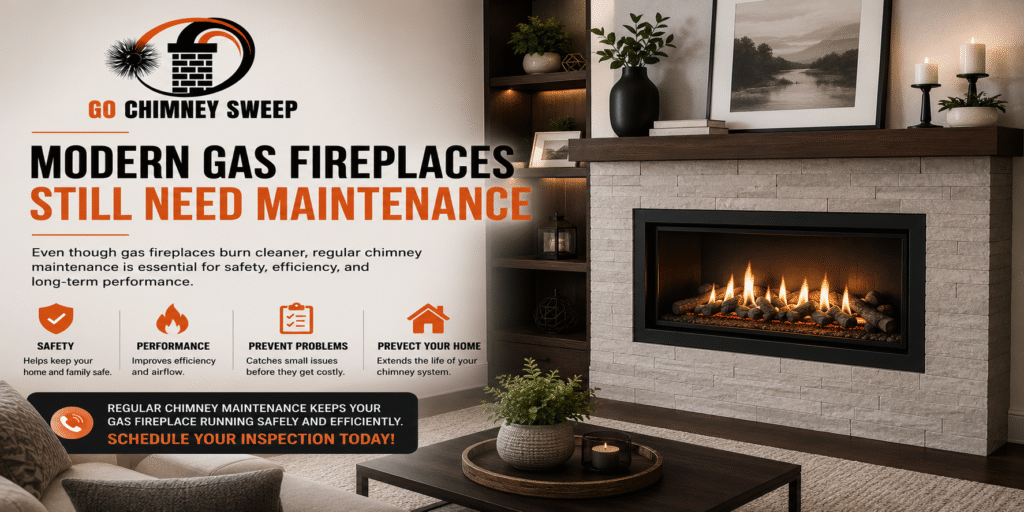
Modern gas fireplaces have become a popular choice for homeowners because they offer warmth, convenience, and a clean-burning alternative to traditional wood-burning fireplaces. With the push of a button or flip of a switch, you can enjoy a comfortable fire without chopping wood or cleaning large amounts of ash. Because gas fireplaces burn much cleaner […]
Why Chimney Odors Become Worse in Summer?
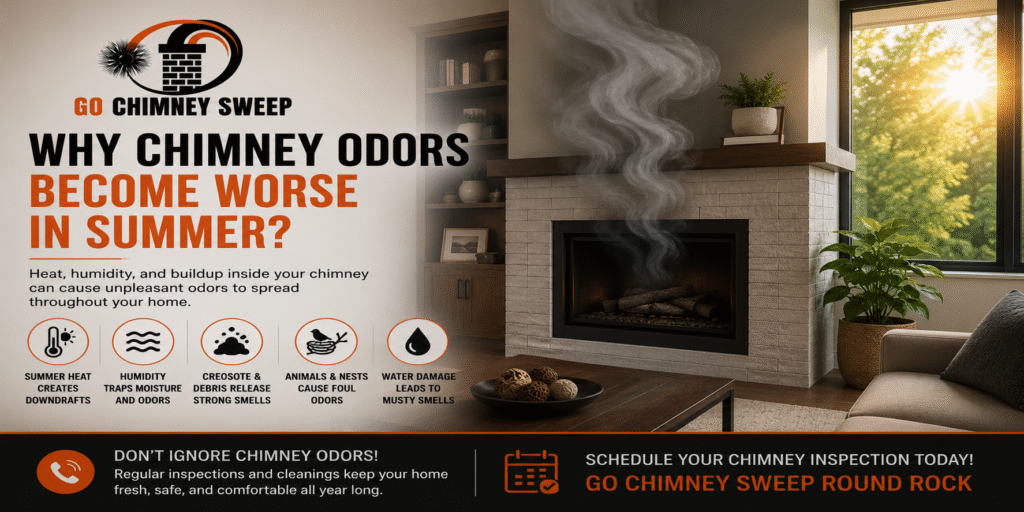
Many homeowners expect chimney problems to appear during the colder months when fireplaces are in regular use. However, it’s common to notice unpleasant smells coming from the fireplace during the summer. If your chimney has a strong, musty, smoky, or sour odor when temperatures rise, there is usually a specific reason behind it. Understanding why […]
Can a Chimney Leak Cause Mold?
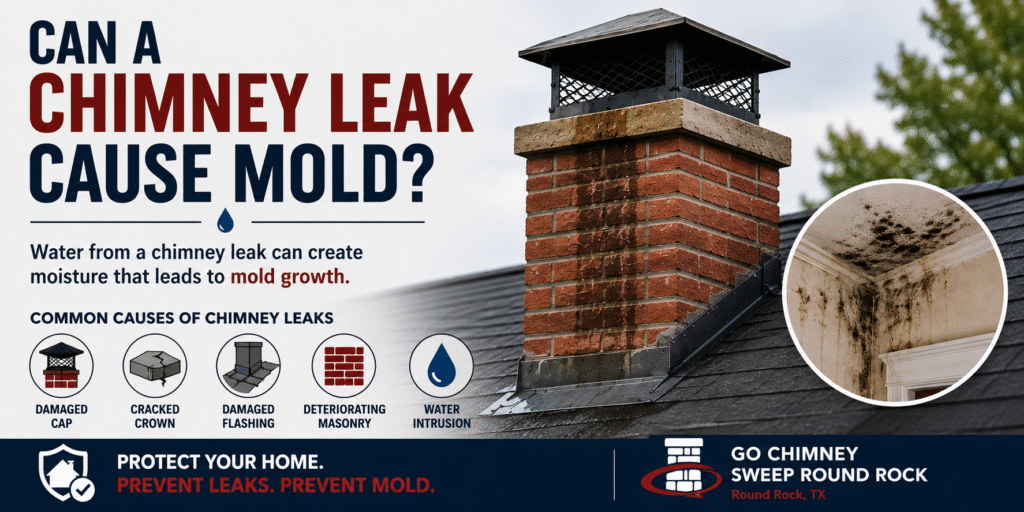
Many homeowners are aware that chimney leaks can lead to water damage, but fewer realize that excess moisture around a chimney can also create conditions that encourage mold growth. When water repeatedly enters a chimney system and surrounding building materials, it can affect areas such as walls, ceilings, attics, and fireplaces. Understanding the connection between […]
Why Is Rain Coming Down My Chimney?
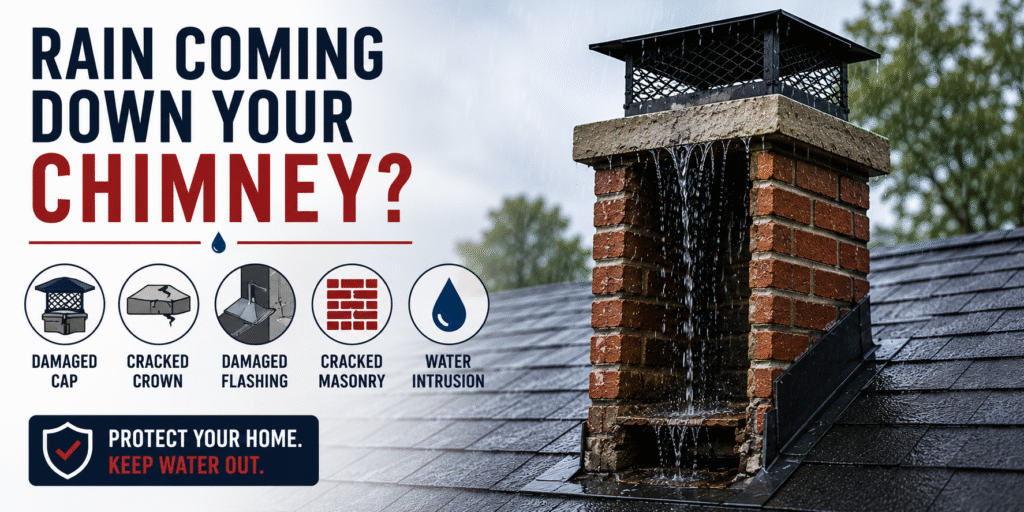
If you’ve noticed water dripping into your fireplace or rainwater appearing inside your chimney, you’re not alone. Chimney leaks are a common issue for homeowners and can occur for several reasons. While a chimney is designed to safely vent smoke and gases out of your home, it is also exposed to the elements year-round. When […]
